
Hydro Jetting in Pflugerville, TX
If your drain line keeps clogging after it’s been snaked, the buildup is still in there. Hydro jetting uses high-pressure water to scour the full pipe wall clean, so the line flows like it should.
Hours: Monday to Saturday, 7 AM to 7 PM. Emergency calls answered 24/7.
What Is Hydro Jetting?
Hydro jetting is a high-pressure drain cleaning method. A hose with a special nozzle goes into the pipe through a cleanout. Water shoots out of the nozzle at high pressure, forward and backward.
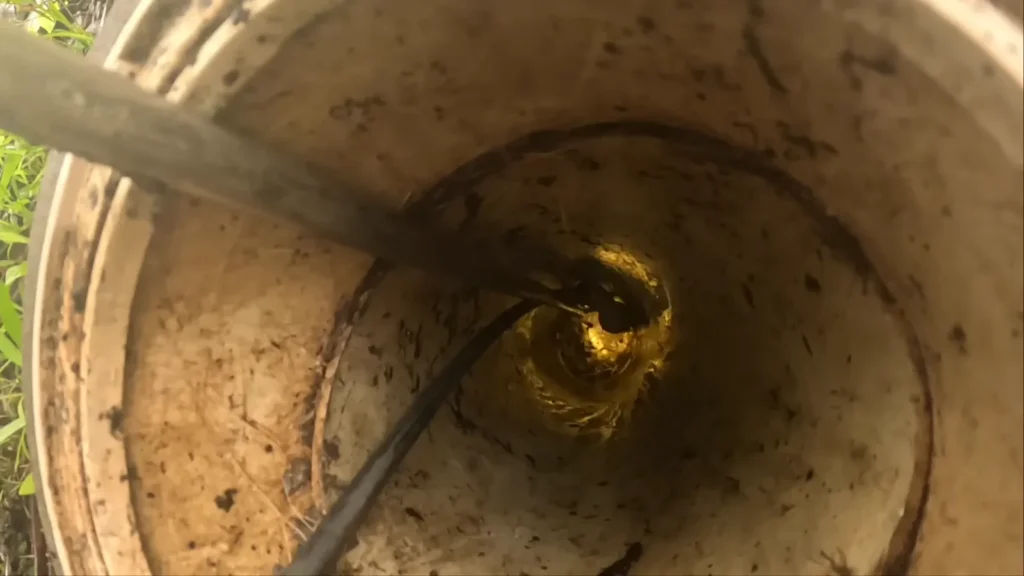
The forward jets break through the blockage. The rear jets push the nozzle ahead and scrub the pipe wall as it moves. Everything loosened gets flushed down the line.
The result is a pipe that’s clean around its whole inside, not just a hole through the middle of the clog.
Hydro Jetting vs. Snaking a Drain
A drain cable, or snake, spins a cutting head through the clog. It works well for many clogs. But in a line full of grease or scale, the cable cuts a narrow path and leaves the rest stuck to the walls.
That path closes up again. Sometimes in weeks, sometimes in a few months. Then you’re paying for the same call again.
We don’t jet every drain. If a cable will fix it for good, that’s what we’ll recommend.
When Hydro Jetting Is the Right Choice
Before jetting, we usually run a sewer camera inspection. It shows us what’s in the pipe and whether the pipe is in good enough shape to jet.
What Hydro Jetting Won’t Fix
Jetting cleans pipes. It doesn’t repair them. Here’s where it isn’t the answer:
If the camera shows damage, we’ll tell you straight. You’ll know what you’re dealing with before you spend money on jetting.
Our Hydro Jetting Process
Step 1: Inspect the line
We run a camera through the pipe to find the blockage, check the pipe condition and measure the line.
Step 2: Choose the nozzle and pressure
Smaller household lines need less pressure than a main sewer line. We set the pressure and nozzle for your pipe size and material.
Step 3: Jet the line
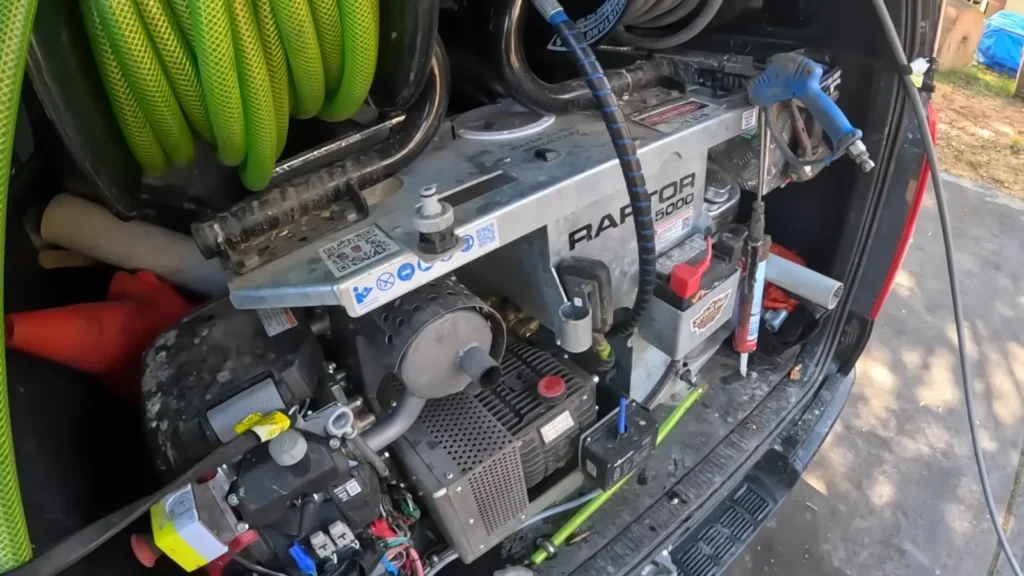
We feed the hose in through a cleanout and work it through the full length of the pipe, flushing debris out as we go.
Step 4: Verify with the camera
We run the camera again so you can see the clean pipe for yourself.
Step 5: Recommend a maintenance plan
If buildup is likely to come back, we’ll tell you roughly when to have the line checked again.
Is Hydro Jetting Safe for Your Pipes?
Yes, for pipes in good condition. PVC, ABS and sound cast iron all handle jetting when the pressure is set right. The risk comes from jetting a pipe that’s already cracked or collapsing.
That’s why the camera comes first. We don’t guess about the condition of your line.
Hydro Jetting Cost in Pflugerville
Hydro jetting usually costs more than a standard drain snaking visit. The price depends on:
Think about the cost over time. If a line gets snaked every few months, one jetting can cost less than a year of repeat calls. We’ll give you a firm price after we see the line.
How Often Should a Line Be Jetted?
It depends on how fast the buildup returns. A simple rule: jet the line a bit before it usually clogs.
Most homes only need jetting once to reset the line. For general home clogs, see our residential drain cleaning service or go back to drain cleaning in Pflugerville.
Frequently Asked Questions
Tired of the Same Clog Coming Back?
Let us look inside the line and tell you if hydro jetting will fix it for good.
Call 512-710-2599. Monday to Saturday, 7 AM to 7 PM, with emergency calls answered 24/7.